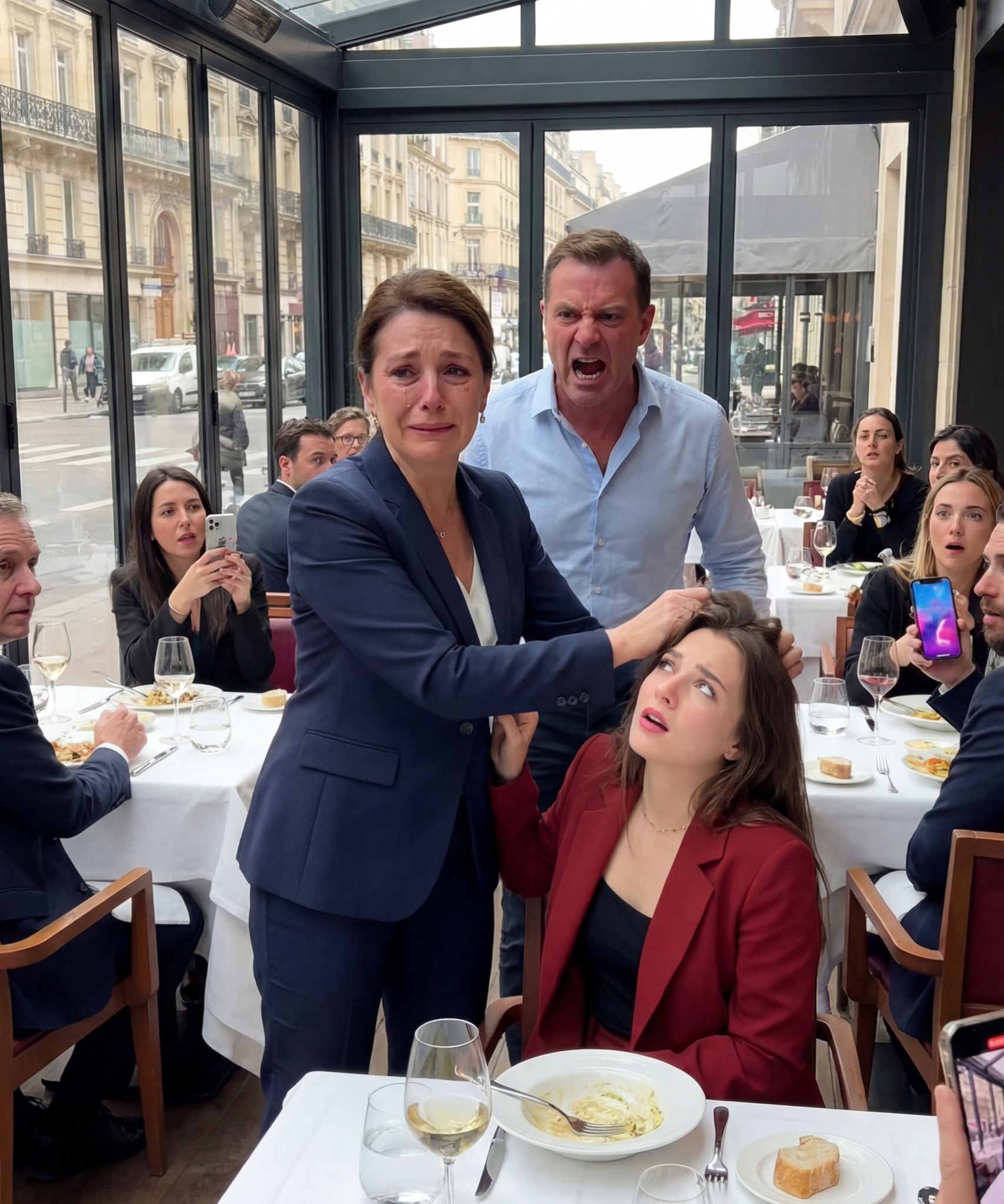
I showed it to Dad. His jaw tightened.
"He used your name on documents," she admitted. "Shipping. Accounting. He thought hiding behind you would make him safer."
Over the next few days, the situation escalated rapidly. The father met with detectives. He handed over documents related to Evan's financial scams. It wasn't a movie scene or a memorable event. It was tense, uncomfortable, but necessary.
Three days later, Evan was arrested at a roadside motel while trying to negotiate a deal to avoid prosecution. He was unsuccessful. Charges of assault, kidnapping, and securities fraud followed.
When I saw his mugshot, I didn't feel triumphant. I felt detachment.
I moved into a small apartment with a temporary residence permit. My life became a blur of paperwork, court hearings, therapy sessions, and a slow recovery, both physical and emotional.
The first night I slept without waking up in a panic, I realized one thing: security isn't dramatic. It's silent. It's boring. It's locking a door and knowing no one can break it down.
If you were in my place, would you have called your family or the police first?
And if you've ever had to rebuild something after a betrayal, what helped you take the first concrete step toward recovery?
I'm listening.
No related articles.v