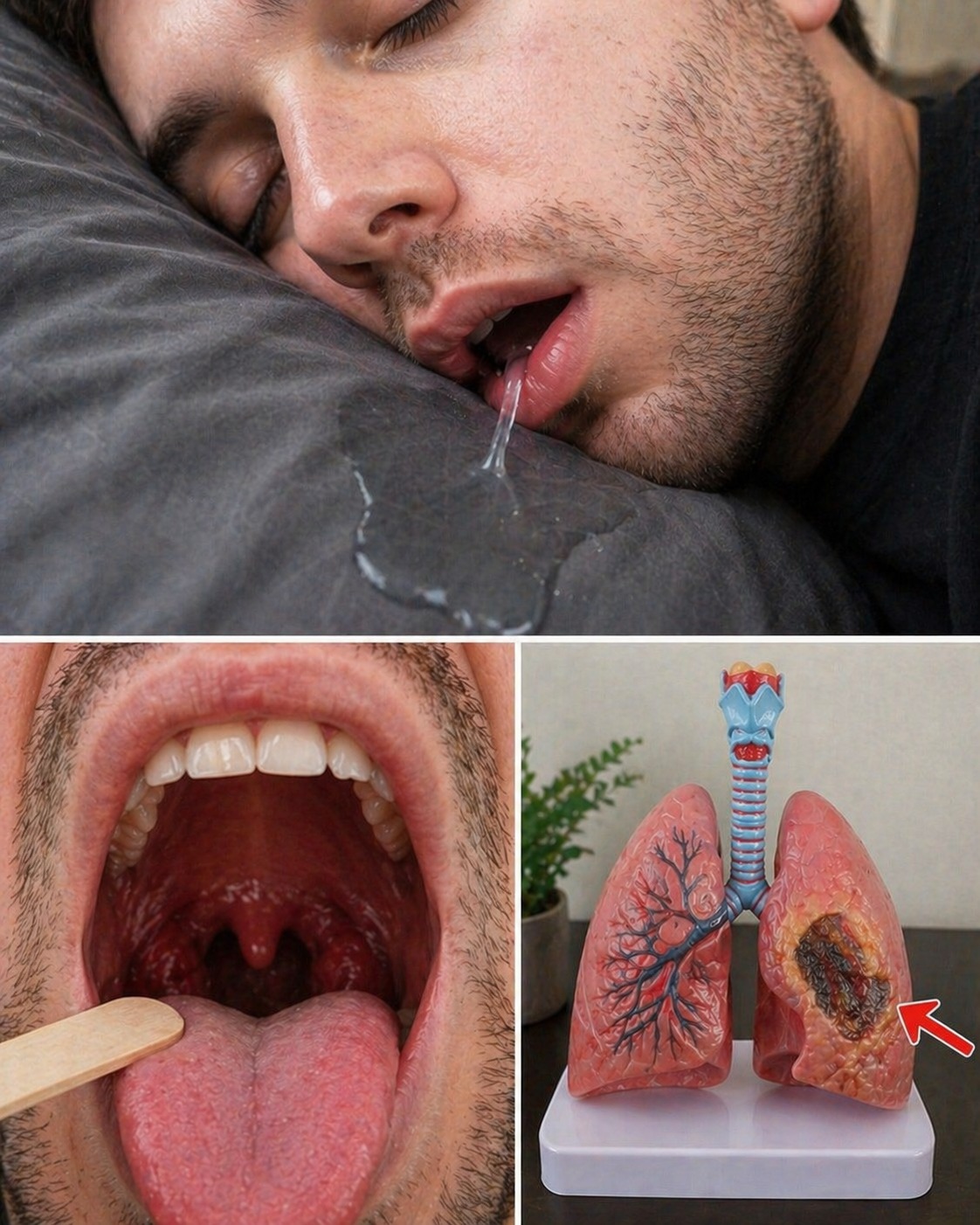
Waking up to a damp pillow from drooling during the night is something many adults notice more often than they’d like to admit. It feels messy, a little embarrassing, and can leave you wondering if your sleep routine is the only thing at fault. What starts as an occasional wet spot can become a regular disruption that affects how rested you feel and how confident you are when the day begins. But here’s what might surprise you—several everyday health factors could be playing a role, and understanding them opens the door to simple changes that could make a real difference before the night is over.

Understanding Normal Saliva Flow During Sleep
Your body naturally produces saliva all day to keep your mouth healthy, but at night the flow usually slows down and swallowing keeps everything in check. When that balance shifts, drooling while sleeping can happen more easily. Research from sleep medicine experts shows that changes in breathing, muscle control, or even stomach acid can trigger extra saliva or make it harder for your mouth to stay closed. The good news? You don’t have to accept it as “just how you sleep.”
But that’s only part of the picture. Let’s look closer at what might actually be going on.