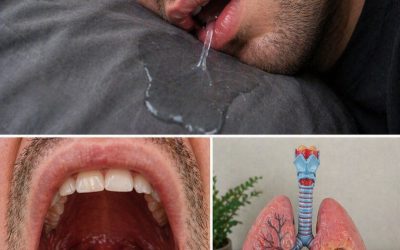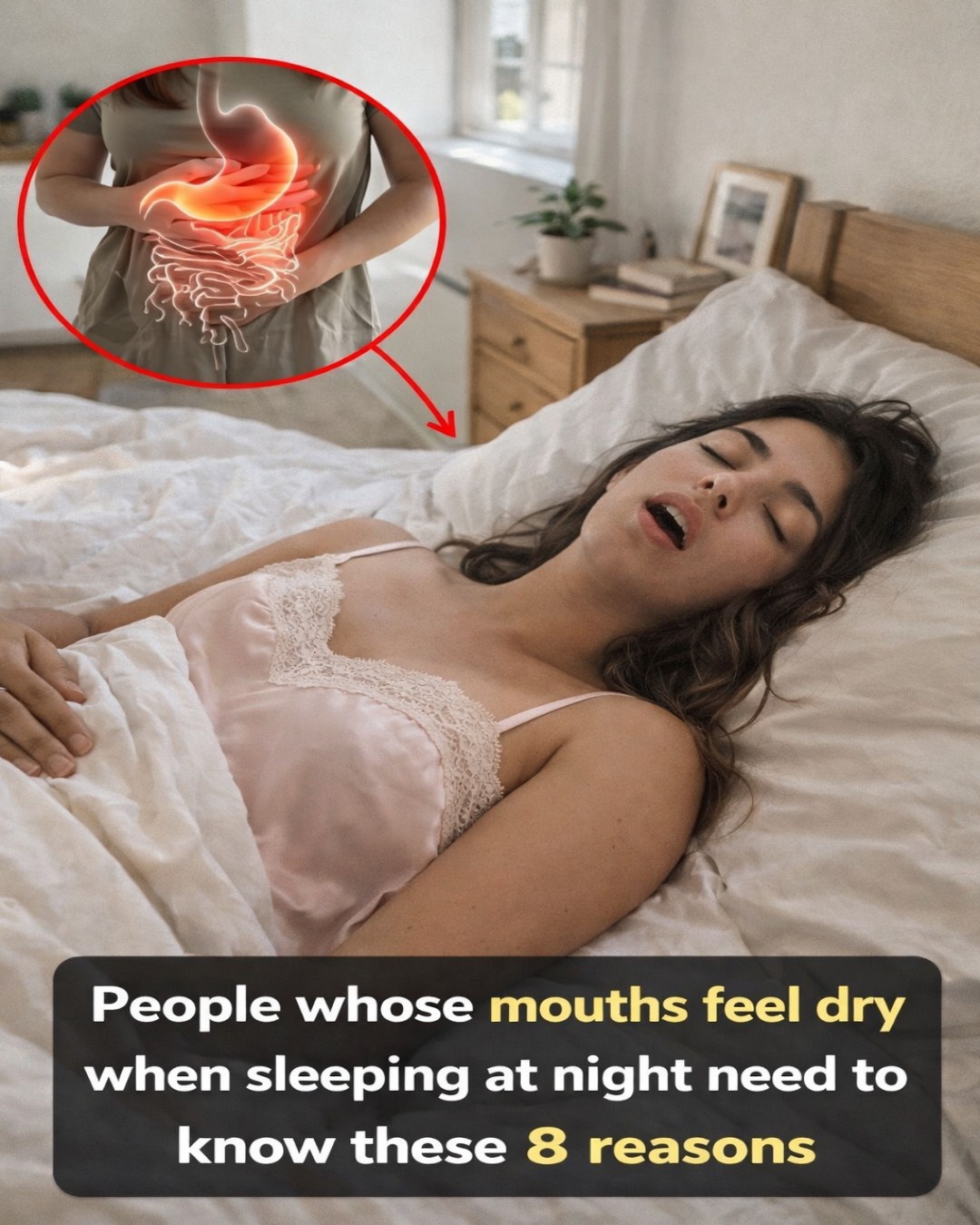
Before diving into specific reasons, it helps to understand why dry mouth at night happens and why it matters for everyday comfort. Saliva naturally slows during sleep to keep your mouth moist, support digestion, and protect oral tissues, so when that balance shifts, the sticky, dry feeling appears by morning.
Dry mouth at night is more than a minor annoyance for many—it can affect sleep quality and leave you starting the day already uncomfortable. When dry mouth at night makes you feel unrested or self-conscious about bad breath, gentle awareness of daily habits can make a real difference. Still, dry mouth at night rarely changes from one change alone.
 8 Common Reasons That May Contribute to Dry Mouth at Night
Here are eight everyday factors many people find linked to dry mouth at night. Each offers insight into why that uncomfortable sticky sensation might appear and how small adjustments can support better comfort with dry mouth at night.
- Late-night eating and digestive discomfort can quietly contribute to dry mouth at night as your body processes heavier or spicier foods while you rest, sometimes shifting fluids and leaving that parched feeling by morning.
- Mild dehydration from inconsistent daytime water intake is one of the most straightforward reasons for dry mouth at night. Your body loses fluids naturally overnight, making dry mouth at night more noticeable if hydration isn’t steady throughout the day.
- Oral health habits and overnight bacteria buildup may play a role in dry mouth at night when saliva flow is already lower, leading to that sticky, uncomfortable sensation and potential morning irritation.
- Blood sugar fluctuations can sometimes be associated with dry mouth at night because higher levels may increase fluid needs, leaving you with thirst and dryness upon waking.
- Certain digestive patterns like occasional reflux may contribute to dry mouth at night, especially when lying down, creating irritation that worsens the dry, sticky feeling by morning.
- Temporary illness or fever can lead to dry mouth at night through faster fluid loss as your body works harder, making the parched sensation more common during recovery periods.
- Mouth breathing during sleep, often from congestion, frequently contributes to dry mouth at night by drying out oral tissues overnight and amplifying that uncomfortable sticky feeling.
- Certain medications may list dry mouth at night as a possible side effect, which many adults notice when the dryness becomes a regular part of their mornings.
Common Mistakes That Can Make Dry Mouth at Night Worse
This is where many people unknowingly keep dry mouth at night going longer than needed. Drinking large amounts of water right before bed or ignoring evening eating patterns can actually increase that sticky discomfort instead of easing it.
Dry mouth at night often lingers when small daily habits like consistent hydration or bedtime routines are overlooked. Avoiding these common missteps helps break the cycle of waking up with dry mouth at night feeling frustrating and unrested.

A Simple, Safe Way to Support Comfort With Dry Mouth at Night