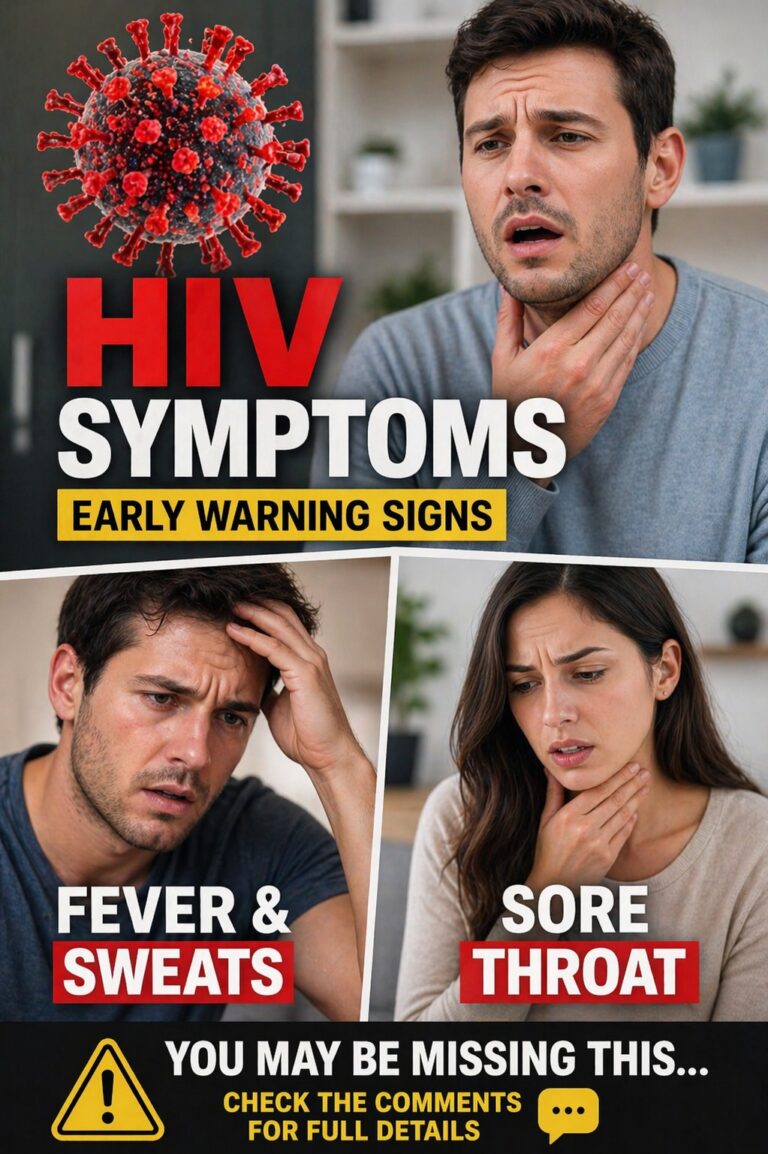
Many people experience mild, flu-like symptoms shortly after exposure to HIV, yet they often go unnoticed or get mistaken for everyday illnesses. These early signals can appear within 2 to 4 weeks and may resolve on their own, leaving no obvious clues for years. The problem is that ignoring them means missing a critical window when getting tested and connecting with care can make a real difference in long-term health.
Here’s what you need to know about the 10 HIV symptoms that frequently slip under the radar — and why paying attention now could give you greater peace of mind later. Stick with me until the end, because there’s one practical step that changes everything for anyone concerned about their status.
Understanding the Early Stage of HIV Infection
The period right after HIV enters the body is called acute HIV infection or seroconversion. During this time, the virus multiplies rapidly, and your immune system mounts a response. Research from health authorities like the CDC and Mayo Clinic shows that up to two-thirds of people develop flu-like symptoms, but many describe them as mild or barely noticeable.
These symptoms typically show up 2 to 4 weeks after exposure and last from a few days to several weeks. Because they mimic common viruses, it’s easy to dismiss them. But here’s the key point: not everyone gets symptoms, and when they do appear, they can be so subtle that they’re overlooked.
10 Early HIV Symptoms That Are Often Missed
Let’s break down the signs that many people don’t connect to HIV right away. Remember, having any of these doesn’t mean you have HIV — they can stem from many causes — but if they occur after potential exposure, it’s worth considering testing.
1. Fever and Chills A mild or recurring fever is one of the most common early responses. It might feel like a low-grade temperature that comes and goes, often accompanied by chills. Studies indicate fever appears in a large percentage of acute cases, yet it’s frequently attributed to a seasonal bug.
2. Extreme Fatigue That overwhelming tiredness that doesn’t improve with rest? It can hit hard during the acute phase. You might feel drained even after a full night’s sleep, making everyday tasks feel exhausting.
3. Sore Throat A persistent sore throat that doesn’t respond to usual remedies is another clue. It can feel raw or painful when swallowing and sometimes occurs alongside swollen glands.
4. Swollen Lymph Nodes Your lymph nodes — especially in the neck, armpits, or groin — may become tender and enlarged. This swelling can linger longer than expected and is a sign your immune system is active.
5. Skin Rash A reddish, non-itchy rash often appears on the torso or other areas. It might look like small flat spots and can be easy to miss if it’s mild or fades quickly.
6. Night Sweats Waking up drenched in sweat, even in a cool room, is reported by many during early infection. These sweats can disrupt sleep and feel unrelated to any obvious cause.
7. Muscle and Joint Aches General body aches, similar to those from the flu or overexertion, are common. Your muscles and joints might feel sore without any recent physical activity.
8. Headache Frequent or unusual headaches can occur as part of the body’s response. They may range from mild to more noticeable but are often brushed off as stress-related.
9. Mouth Sores or Ulcers Painful sores inside the mouth, on the gums, or tongue can develop. These can make eating uncomfortable and are sometimes overlooked if they heal on their own.
10. Unexplained Weight Loss or Digestive Issues Some people notice a drop in appetite, mild diarrhea, or gradual weight loss. These gastrointestinal changes can be subtle at first but add up over time.
Here’s a quick comparison to help you spot patterns:
Flu-like cluster: Fever, chills, fatigue, muscle aches, headache, sore throat
Immune response signs: Swollen lymph nodes, rash, night sweats
Other subtle clues: Mouth sores, weight loss, digestive discomfort
But that’s not all. The symptoms can vary widely from person to person, and some individuals experience none at all. This is why relying solely on how you feel isn’t enough.
Why These Symptoms Get Overlooked
The truth is, these signs are nonspecific. They overlap with everything from the common cold and mono to stress or seasonal allergies. Because they often resolve within a week or two, many people never connect the dots. Yet during this acute phase, the amount of virus in the body is high, making early awareness especially valuable.
Studies show that a significant portion of acute infections go unrecognized in clinical settings precisely because the symptoms are so ordinary. That’s why health experts emphasize testing over symptom-watching alone.Health
What You Can Do Right Now: Actionable Steps
If you’ve had potential exposure and notice any combination of these signs, here’s a simple plan:
Reflect on recent risks — Think honestly about any situations that could have led to exposure (unprotected sex, sharing needles, etc.).
Monitor your symptoms — Keep a brief note of how long they last and any patterns. Don’t panic, but don’t dismiss them either.
Get tested — This is the only reliable way to know your status. Modern HIV tests can detect the virus or antibodies within weeks of exposure. Many clinics offer rapid, confidential testing.
Talk to a healthcare provider — Share your concerns openly. They can guide you on timing for testing and any next steps.
Protect yourself and others — While waiting for results, continue safer practices to reduce transmission risk.
Taking these steps early can lead to better health outcomes if needed. Today, effective options exist that help people live long, healthy lives.
Why Early Awareness Matters for Your Health Journey
Learning about these often-missed signs empowers you to take control of your well-being. Knowledge reduces fear and replaces it with informed action. Whether your test comes back negative (bringing relief) or leads to connecting with care, knowing sooner puts you in the driver’s seat.
Many people who get tested after noticing subtle changes say it gave them clarity and a sense of proactive health management.
FAQ: Common Questions About Early HIV Signs
Q: Can HIV symptoms appear years after exposure? Early symptoms usually show within 2–4 weeks if they appear at all. Later-stage issues develop over time without care, but the initial signs are tied to the acute phase.
Q: Do all people with HIV experience these symptoms? No. Some have no noticeable symptoms early on, while others have mild or severe ones. The only definitive answer comes from testing.
Q: How can I tell if my symptoms are from HIV or something else? You can’t reliably tell from symptoms alone because they overlap with many conditions. Testing is the clear, accurate method.
Final Thoughts
Paying attention to these 10 often-missed signs isn’t about living in fear — it’s about staying informed and proactive about your health. Your body sometimes sends quiet signals, and recognizing them can open the door to timely answers and support.Health
If anything in this article resonates with your situation, consider reaching out to a trusted healthcare professional or local testing center today. Peace of mind is closer than you might think.
Disclaimer: This article is for informational purposes only and is not a substitute for professional medical advice, diagnosis, or treatment. Always consult a qualified healthcare provider for personalized guidance regarding your health concerns or testing options. Sources include information from reputable organizations such as the CDC, Mayo Clinic, and WebMD.