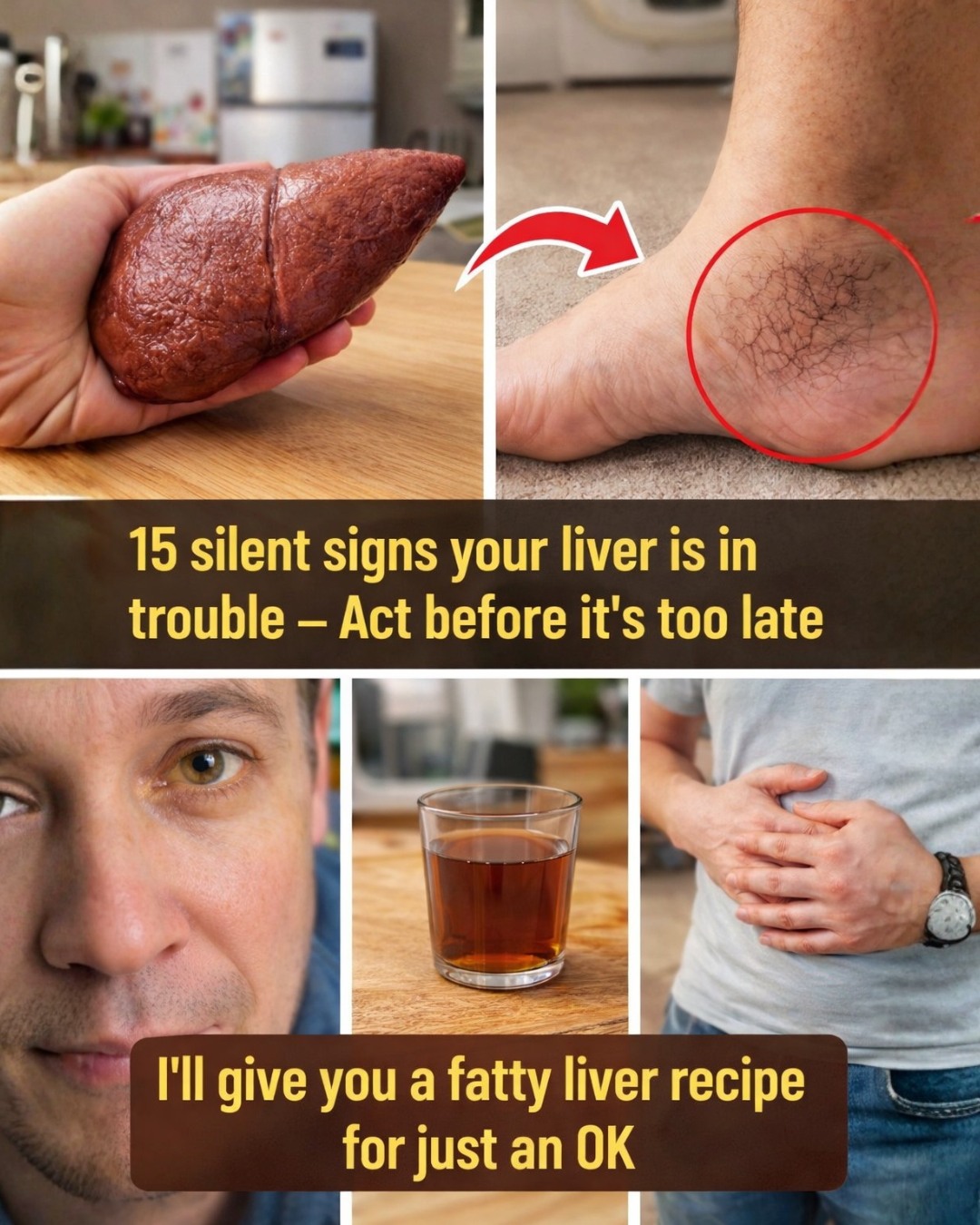
Your liver works around the clock to filter toxins, process nutrients, and keep your body running smoothly, yet most people never think about it until something feels off. Fatty liver concerns, in particular, often develop quietly without dramatic symptoms at first, which is why so many overlook the early clues. That ongoing fatigue you chalk up to stress, the unexplained itch, or changes in your skin and digestion could be gentle nudges that your liver needs a little more support. The encouraging part? Recognizing these signals early lets you make simple, everyday adjustments that promote better wellness overall. But here’s the best part: stick with me until the end, where I’ll share one easy recipe many people add to their routine to support liver health—all it takes is a quick “OK” in the comments if it resonates with you.
Understanding Your Liver’s Everyday Role
Your liver is a true multitasker, handling over 500 vital functions like breaking down fats, storing energy, and clearing waste from your bloodstream. When it faces extra strain—from diet, lifestyle, or other factors—it may not shout for attention right away. Instead, it sends subtle signals that are easy to miss. Research from organizations like the Mayo Clinic notes that conditions such as metabolic dysfunction-associated steatotic liver disease (often linked to fat buildup) frequently stay “silent” in the early stages.
That’s why awareness matters. Catching these signs early isn’t about panic—it’s about giving your body the everyday support it deserves through small, sustainable changes.
15 Silent Signs Your Liver Might Be Struggling
Here are 15 subtle clues that many people notice but don’t always connect to liver wellness. Remember, these are common and can stem from various causes, so they’re worth discussing with your doctor for personalized insight.
Persistent fatigue – Feeling drained even after a full night’s sleep is one of the most reported early clues, as the liver plays a key role in energy metabolism.
Discomfort in the upper right abdomen – A dull ache or sense of fullness under the right ribs can signal the liver is working harder than usual.
Yellowing of the skin or eyes – Even a slight tint (jaundice) may appear first in the whites of the eyes, reflecting changes in how the liver processes bilirubin.
Dark-colored urine – Urine that looks tea- or cola-colored can be an early indicator that bilirubin isn’t being cleared effectively.
Pale or clay-colored stools – When bile production or flow is affected, stools may lose their normal brown color.
Itchy skin – Unexplained itching, especially on the hands and feet, often results from bile salts building up in the bloodstream.
Spider-like blood vessels on the skin – Small, web-like veins (spider angiomas), sometimes visible on the legs or ankles, can appear due to shifts in blood flow and hormones.
Abdominal bloating or swelling – Mild fluid retention or a puffy belly may start subtly before becoming more noticeable.
Swelling in the legs or ankles – Fluid buildup in the lower body is another common sign tied to liver function.
Easy bruising or bleeding – The liver makes proteins that help blood clot; when levels dip, bruises may form more easily.
Loss of appetite or mild nausea – Food may suddenly seem less appealing, especially fatty meals.
Brain fog or trouble concentrating – Some people notice mild mental cloudiness as the liver’s detox role is challenged.
Unexplained midsection weight gain – Extra fat around the belly can sometimes reflect fat accumulation in the liver itself.
Frequent digestive issues – Gas, indigestion, or trouble with fatty foods may point to reduced bile support for digestion.
Red palms or other skin changes – Palms that appear unusually red (palmar erythema) can be linked to circulation changes.
But that’s not all—these signs often overlap with everyday life, which is exactly why they fly under the radar.
Why These Signs Deserve Your Attention
Studies show that early lifestyle shifts can make a real difference in how the liver functions over time. The American Liver Foundation and similar experts emphasize that conditions like fatty liver are highly responsive to everyday habits rather than dramatic overhauls. The truth is, your liver has an amazing ability to regenerate when given the right support.
Here’s the interesting part: many of these signals improve when you focus on simple, consistent choices instead of waiting for bigger issues.
Simple Daily Habits to Support Your Liver Health
Ready to take action? These practical steps are easy to start today and fit most lifestyles:
Stay well hydrated – Aim for plenty of water throughout the day to help your liver flush toxins naturally.
Load up on colorful vegetables and fruits – Leafy greens, cruciferous veggies like broccoli, and berries provide antioxidants that support everyday liver function.
Move your body regularly – Even 30 minutes of walking most days helps maintain a healthy weight and improves blood flow.
Limit added sugars and processed foods – Cutting back on sodas and snacks gives your liver a break from excess fat processing.
Choose lean proteins and healthy fats – Opt for fish, nuts, olive oil, and legumes instead of heavy fried foods.
Get quality sleep – Your liver does much of its repair work while you rest, so aim for 7–9 hours nightly.
Moderate alcohol intake – Even small reductions can give your liver noticeable relief.
The best part? These habits compound over time and benefit your whole body, not just your liver.
One Easy Recipe Many People Use to Support Liver Wellness: Turmeric Ginger Lemon Tea
If you’re looking for a soothing way to start your day or wind down in the evening, try this simple turmeric ginger lemon tea. It features ingredients long valued in wellness traditions for their anti-inflammatory and digestive-supporting properties. Many readers tell us they enjoy it daily as part of their routine.
Ingredients (makes 2 servings):
1-inch fresh turmeric root, grated (or ½ teaspoon ground turmeric)
1-inch fresh ginger root, sliced
Juice of 1 fresh lemon
2 cups warm (not boiling) water
Optional: pinch of black pepper (to help absorption) and a drizzle of honey for taste
How to make it:
How to make it:
Grate or thinly slice the fresh turmeric and ginger.
Place them in a mug or small teapot.
Add the lemon juice and warm water.
Let it steep for 5–10 minutes, then strain if desired.
Stir in honey and black pepper if using, and sip slowly.
This recipe takes just minutes and uses everyday ingredients you can find at any grocery store. The bright yellow color of turmeric and zesty ginger make it as pleasant to prepare as it is to drink.
Wrapping It Up: Small Steps, Big Impact
Your liver is incredibly resilient, and noticing these 15 subtle signs is the first step toward giving it the care it deserves. By weaving in better hydration, movement, and nutrient-rich choices—like the turmeric ginger lemon tea above—you’re supporting your body’s natural balance every single day. The key isn’t perfection; it’s consistency and listening to what your body is telling you.
FAQ
What are the earliest signs of liver stress?
Fatigue, mild upper-right abdominal discomfort, and changes in urine or skin color are often among the first to appear, though they can be easy to overlook.
Can everyday diet and lifestyle really help support liver health?
Yes—research consistently shows that balanced eating, regular activity, and limiting processed foods and alcohol can positively influence liver function over time.
When should I talk to a doctor about these signs?
If you notice several of the symptoms persisting for more than a couple of weeks, especially with risk factors like excess weight or family history, it’s smart to get a professional check-up.
Disclaimer: This article is for informational purposes only and is not intended to diagnose, treat, or cure any condition. Always consult your healthcare provider before making significant changes to your diet or lifestyle, especially if you have existing health concerns. Individual results may vary.