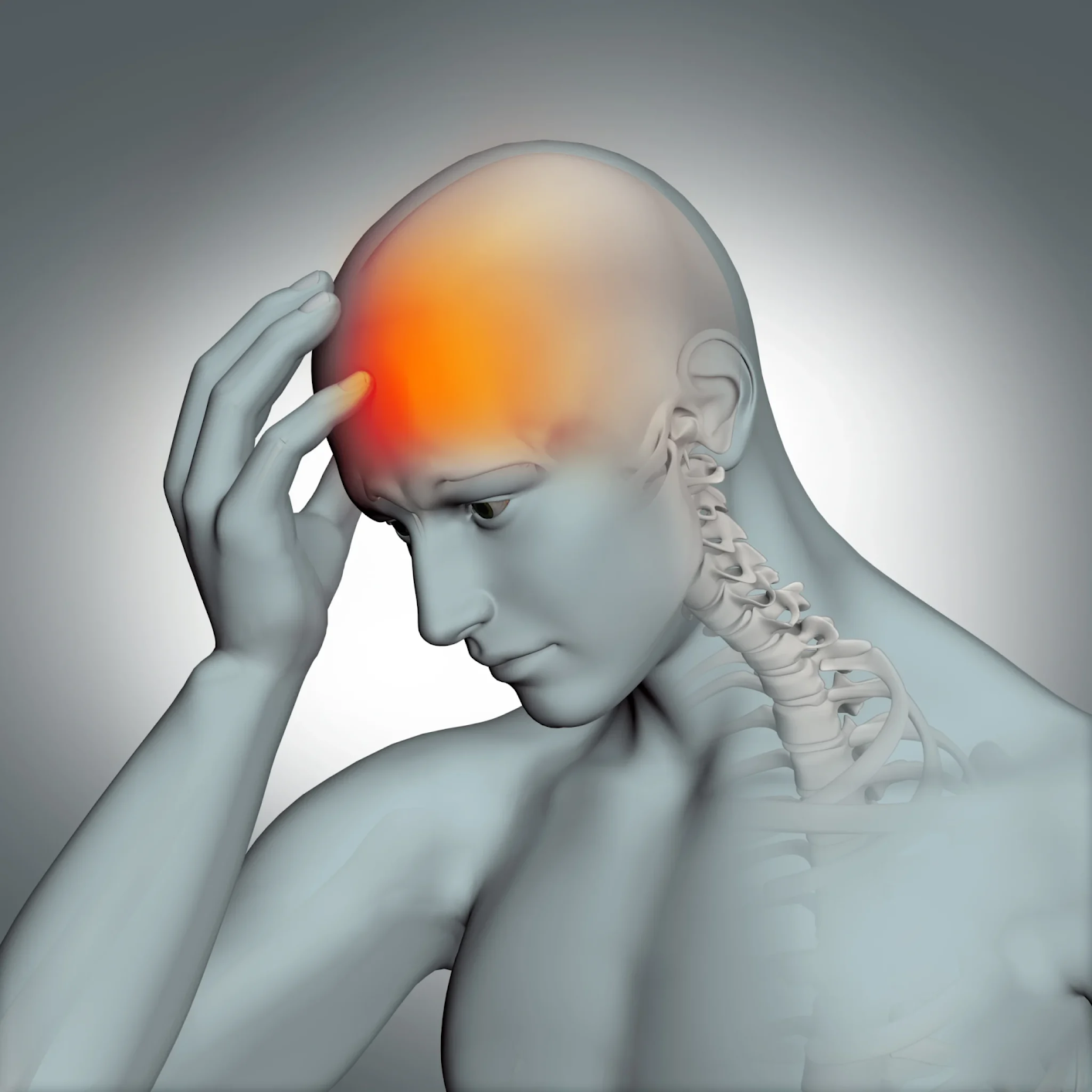
One Month Before Stroke Warning Signs: Know the Symptoms Early
Stroke is a medical emergency that can lead to long-term disability or even death. However, in many cases, the body gives out subtle warnings weeks before the actual event. Recognizing these one month before stroke warning signs can help you or your loved ones take timely action and potentially prevent a life-threatening situation.
At Aayush Hospital, we believe that awareness is the first step toward prevention. This in-depth guide highlights early signs of stroke, risk factors, and practical steps to protect your brain health.
What Is a Stroke?
A stroke happens when blood flow to a part of the brain is blocked or reduced, leading to brain cell death. There are two main types:
Ischemic Stroke: Caused by a blockage or clot in a blood vessel.
Hemorrhagic Stroke: Caused by bleeding in or around the brain due to a ruptured blood vessel.
Both types can be fatal or cause significant disability if not treated quickly.
Can Stroke Symptoms Appear a Month in Advance?
Yes. While strokes often strike suddenly, many individuals experience warning signs weeks or even a month before the stroke. These early indicators, if caught in time, can allow for preventive interventions such as medication, lifestyle adjustments, or medical procedures.
One Month Before Stroke Warning Signs
Here are some common symptoms that may present themselves a month or more before a stroke occurs:
1. Persistent Headaches
Unexplained, recurring headaches, especially if they are more intense than usual
Pain that doesn’t respond to over-the-counter medications
May be accompanied by vision disturbances or nausea
2. Visual Changes
Blurred or double vision
Sudden vision loss in one or both eyes
Difficulty focusing on objects
3. Intermittent Numbness or Weakness
Especially on one side of the face or body
May come and go but indicates issues with blood flow to the brain
4. Difficulty Speaking
Trouble forming complete sentences
Slurred or slowed speech
Word-finding difficulties (aphasia)
5. Dizziness or Balance Issues
Feeling lightheaded or unsteady
Trouble walking in a straight line
Unexplained falls or bumping into objects
6. Short-Term Memory Problems

What are they? Found under a bathroom cabinet during renovations: small glass tubes, 5 cm long, filled with liquid. Any ideas?

What Happens When You Drink Clove Water Every Day for a Month?

Discover the Simple Celery Habit That’s Gaining Attention for Supporting Blood, Skin, Kidney, Liver, and Pancreas Wellness

Why Am I Drooling While Sleeping at Night? 8 Common Causes and Practical Tips to Consider

Why Thousands Are Placing Salted Limes in Their Bedrooms Tonight – The Easy Habit for Naturally Fresher Air