
You wake up one day and realize that staying healthy long enough to enjoy your golden years feels more challenging than ever, especially when heart problems or other chronic issues seem to run in the family. The constant worry about what your genetics have in store can leave you feeling anxious and powerless, wondering if there’s anything you can really do to tilt the odds in your favor. But here’s where things get interesting – new insights from large-scale research are shedding light on how something as simple as your blood type, along with specific blood markers, may offer clues about longevity. Stick around until the end, because the real surprise isn’t just about blood type O – it’s what the latest Swedish study of 44,000 people discovered about the markers that truly set centenarians apart.

Understanding the Link Between Blood Type and Longevity
For years, scientists have been exploring whether the blood type you were born with could play a quiet role in how long you live. People with blood type O often show lower risks for certain conditions compared to those with types A, B, or AB. This connection has sparked curiosity among researchers studying what helps some people reach 100 and beyond.
But that’s not the full picture. While blood type appears in many studies as one piece of the puzzle, experts emphasize it’s far from the only factor. Research highlights associations rather than guarantees, and lifestyle choices still hold the most power over your daily health.
Here’s what stands out in the data:
- Blood type O is linked to a lower risk of heart disease and blood clotting issues.
- Some studies note reduced chances of certain cancers, such as those affecting the stomach or pancreas.
- Overall, these patterns suggest blood type O may align with a slightly slower pace of certain age-related changes.
Yet the most compelling part comes from looking deeper than blood type alone.
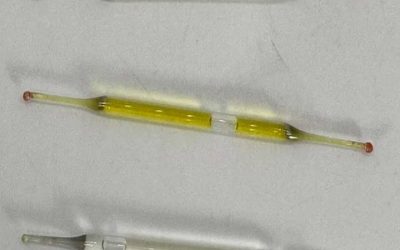
What are they? Found under a bathroom cabinet during renovations: small glass tubes, 5 cm long, filled with liquid. Any ideas?

What Happens When You Drink Clove Water Every Day for a Month?

Discover the Simple Celery Habit That’s Gaining Attention for Supporting Blood, Skin, Kidney, Liver, and Pancreas Wellness

Why Am I Drooling While Sleeping at Night? 8 Common Causes and Practical Tips to Consider

Why Thousands Are Placing Salted Limes in Their Bedrooms Tonight – The Easy Habit for Naturally Fresher Air