You don’t need drastic changes to feel more in control. Small, consistent steps can make a difference in how you feel day to day:
- Aim for plenty of fiber from fruits, vegetables, and whole grains
- Stay active with walks, workouts, or movement you enjoy most days
- Keep hydrated and limit processed foods and red meats
- Schedule regular check-ups and discuss screening options starting at age 45 (or earlier if you have risk factors)
- Pay attention to your body’s signals and track any ongoing changes
These habits aren’t about guarantees—they’re about giving your body the support it needs every day.
When Should You Talk to Your Doctor?
If any of the symptoms above last more than a couple of weeks, or if you’re simply worried, reach out. Early conversations often lead to simple tests that provide clarity and peace of mind. Don’t wait for symptoms to become severe—many people catch things early simply by being proactive.
Wrapping It Up: Knowledge Is Your Best Ally
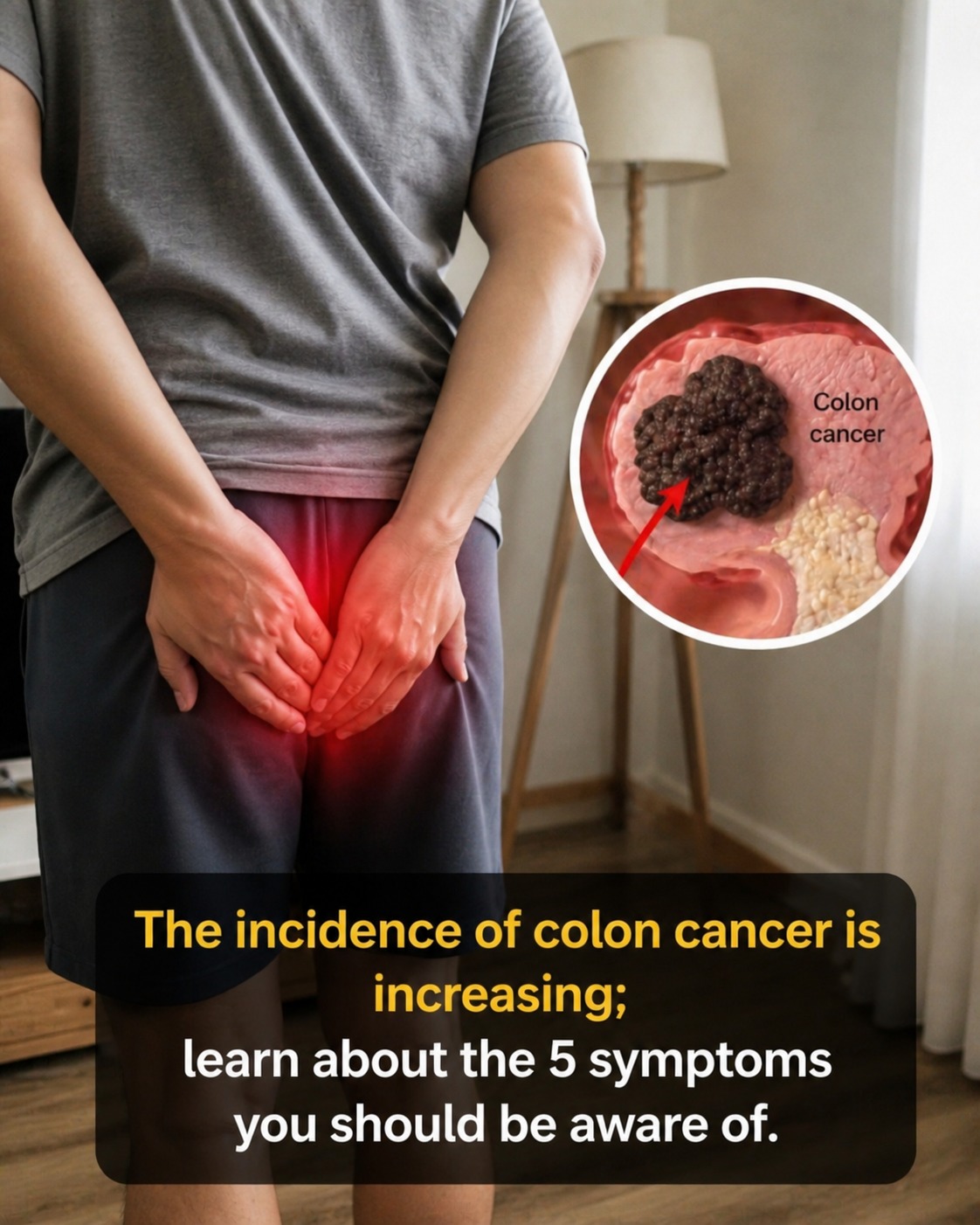
Colon cancer incidence is indeed rising in younger adults, but awareness is growing right alongside it. By recognizing the five key symptoms—changes in bowel habits, blood in the stool, abdominal discomfort, unexplained weight loss, and fatigue—you’re already taking a meaningful step. Listen to your body, stay informed, and partner with your doctor for personalized guidance.
FAQ
How early should screening for colon cancer start?
Many experts now recommend starting at age 45 for average-risk adults, with earlier screening if you have family history or other risk factors. Talk to your doctor about what’s right for you.
Can lifestyle changes really make a difference?