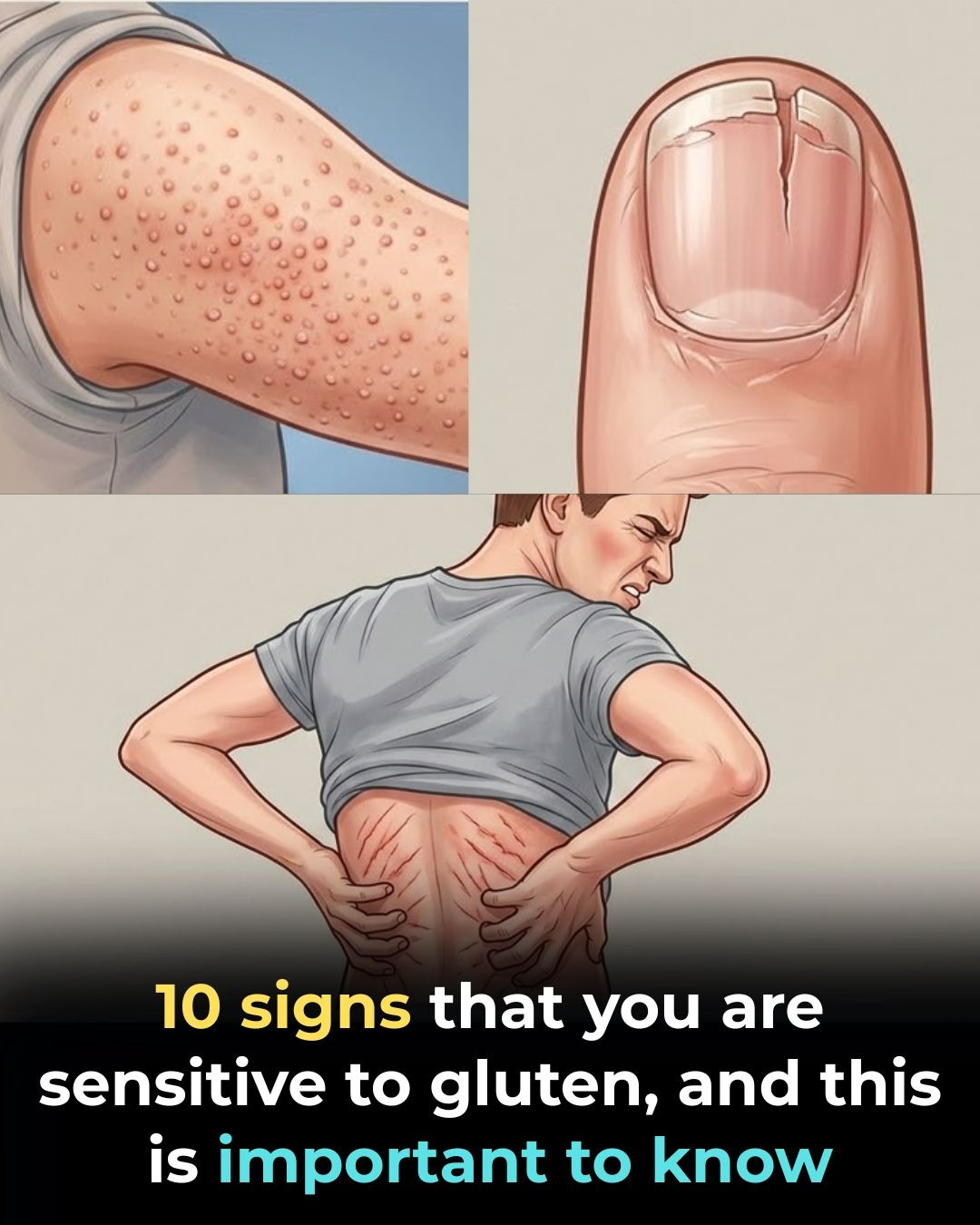
Gluten sensitivity is one of those health issues that’s easy to dismiss—until you realize how much better you feel after eliminating it.
The challenge? Symptoms can be vague, widespread, and easily attributed to other causes. You might blame stress, aging, or just “one of those days” when your body is actually trying to tell you something important.
Here’s what you need to know: Gluten sensitivity exists on a spectrum, from mild intolerance to full-blown celiac disease. The signs can show up anywhere in your body—not just your digestive system.
Let’s explore the warning signs that might indicate you’re sensitive to gluten.
First, What Is Gluten Sensitivity?
Gluten is a protein found in wheat, barley, and rye. For some people, consuming gluten triggers an immune response that can affect multiple systems in the body.
The spectrum includes:
-
Celiac disease – An autoimmune disorder where gluten damages the small intestine (affects about 1% of the population)
-
Non-celiac gluten sensitivity – Symptoms similar to celiac but without intestinal damage (may affect up to 6% of the population)
-
Wheat allergy – An allergic reaction to wheat proteins (different from gluten sensitivity)
If you suspect gluten sensitivity, it’s important to get properly tested before eliminating gluten, as testing requires you to be consuming gluten.
10 Warning Signs You May Be Sensitive to Gluten
1. Digestive Issues
This is the most well-known category, and for good reason.
What to notice:
Frequent bloating and gas after meals
Diarrhea or constipation (or alternating between them)
Abdominal pain or cramping
Nausea after eating
Greasy, foul-smelling stools (indicates poor fat absorption)
Why it happens: In sensitive individuals, gluten can trigger inflammation in the gut lining, disrupting normal digestion and nutrient absorption.
2. Brain Fog and Difficulty Concentrating
Many people with gluten sensitivity report feeling like they’re thinking through molasses.
What to notice:
Difficulty focusing on tasks
Forgetfulness
Feeling mentally “slow” or foggy
Trouble finding words
Why it happens: The gut-brain connection is real. Inflammation in the gut can affect cognitive function, and some researchers believe gluten peptides can cross the blood-brain barrier in sensitive individuals.
3. Fatigue and Low Energy
Feeling tired after a gluten-containing meal is a common red flag.
What to notice:
Overwhelming fatigue, especially after eating
Feeling tired even after a full night’s sleep
Energy crashes during the day
Why it happens: If your gut is inflamed and not absorbing nutrients properly, your body isn’t getting the fuel it needs. Plus, chronic inflammation itself is exhausting.
4. Headaches and Migraines
Recurrent headaches, especially after meals, can be a clue.
What to notice:
Frequent headaches, particularly after eating
Migraines that don’t respond well to typical treatments
Headaches accompanied by other digestive symptoms
Why it happens: Inflammation and immune responses can trigger headaches in susceptible individuals.
5. Skin Issues
Your skin often reflects what’s happening inside your body.
What to notice:
Dermatitis herpetiformis – An intensely itchy, blistering rash (specifically linked to celiac)
Eczema or psoriasis flare-ups
Unexplained dry skin or rashes
Acne that doesn’t respond to typical treatments
Why it happens: Inflammation and immune complexes can deposit in the skin, causing various dermatological issues.
6. Joint Pain and Inflammation
Unexplained aches and pains that come and go.
What to notice:
Achy joints without a clear cause
Stiffness that improves with movement
Inflammation that seems to flare after meals
Why it happens: Systemic inflammation from gluten sensitivity can affect joints throughout the body.
7. Mood Disturbances
Anxiety, depression, and irritability can all be linked to what you’re eating.
What to notice:
Unexplained anxiety or feelings of dread
Depressed mood
Irritability or mood swings
Feeling “off” emotionally without reason
Why it happens: Inflammation affects neurotransmitter function, and the gut produces about 95% of your body’s serotonin.
8. Hormonal Imbalances
For women especially, gluten sensitivity can affect reproductive hormones.
What to notice:
Irregular menstrual cycles
Severe PMS
Unexplained infertility
Miscarriages
Why it happens: Chronic inflammation can disrupt the delicate balance of reproductive hormones.
9. Anemia and Nutrient Deficiencies
If you’re eating well but your blood work shows deficiencies, your gut may not be absorbing nutrients properly.
What to notice:
Iron-deficiency anemia (low ferritin)
Vitamin B12 deficiency
Vitamin D deficiency
Unexplained weight loss
Why it happens: Inflammation in the small intestine (especially in celiac disease) damages the villi responsible for nutrient absorption.
10. Autoimmune Conditions
Having one autoimmune condition increases your risk of developing others.
What to notice:
Hashimoto’s thyroiditis
Type 1 diabetes
Rheumatoid arthritis
Psoriasis
Any other autoimmune diagnosis
Why it happens: There’s a strong genetic link between celiac disease and other autoimmune conditions. If you have one, you’re at higher risk for others.
The “Gluten Challenge” – Why You Shouldn’t Self-Diagnose
If you suspect gluten sensitivity, here’s what many people do wrong: they stop eating gluten, feel better, and assume that’s proof.
The problem: To get properly tested for celiac disease, you need to be consuming gluten for at least 6-8 weeks before testing. If you’ve already eliminated it, you’ll have to go back on it to get accurate results—and that can be miserable.