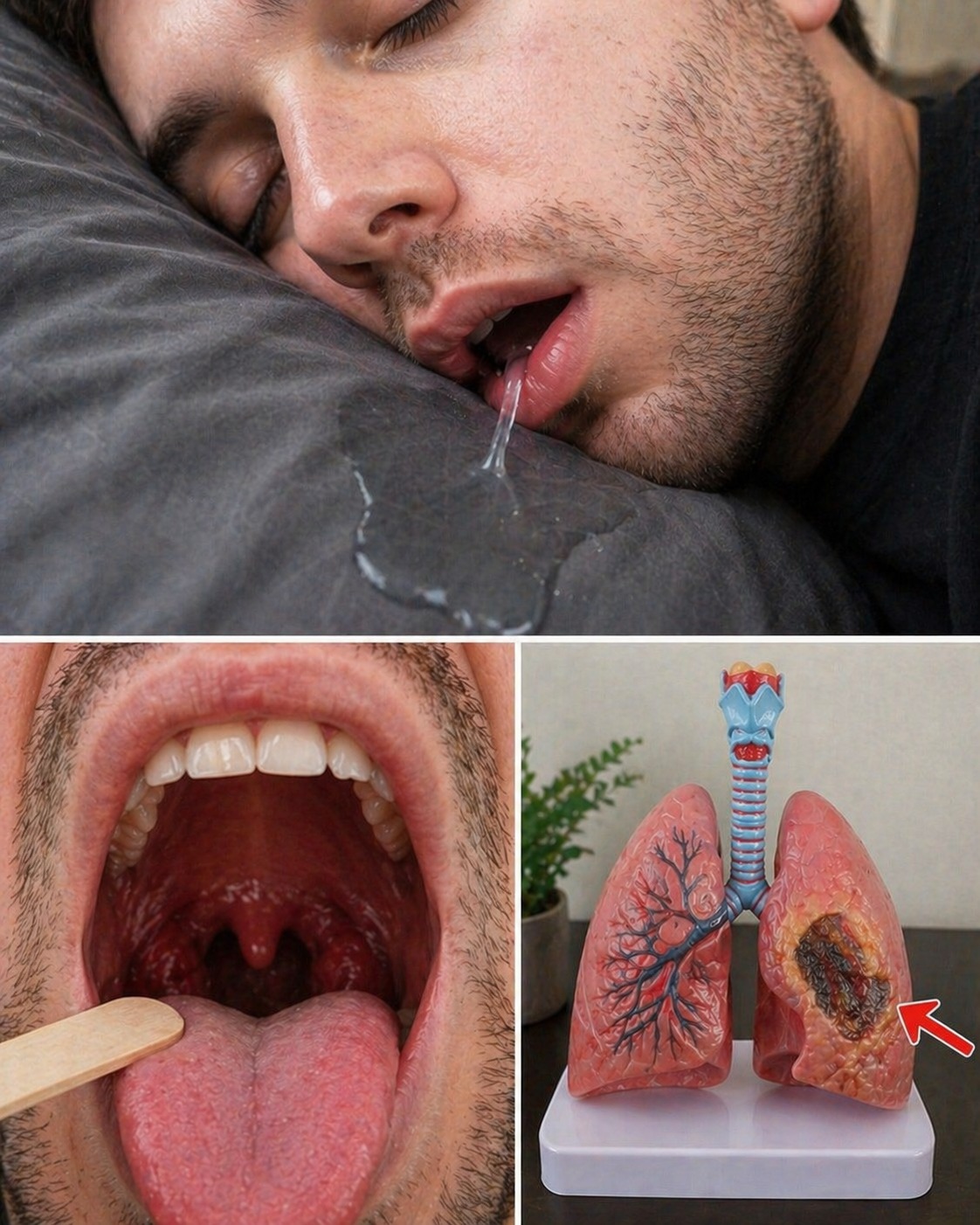
If drooling happens almost every night and comes with other changes—like trouble swallowing, snoring that wakes you, facial weakness, or ongoing fatigue—it’s worth mentioning to your doctor. They can help rule out or manage any underlying factors in a safe, professional way. Remember, occasional drooling that happens only when you’re extra tired or sleeping on your stomach is usually nothing to worry about.
Wrapping It Up: Small Changes Can Make Nights More Comfortable
Nighttime drooling is far more common than most people realize, and it’s often your body’s way of highlighting something as simple as a stuffy nose or as important as a sleep-breathing pattern. By understanding the eight factors above and trying a couple of the habits we shared, you’re already taking a positive step toward more comfortable, drier mornings. Pay attention to what changes for you over the next week—you might be surprised how much better you sleep.
Frequently Asked Questions About Drooling While Sleeping
Is drooling while sleeping always a sign of a serious problem?
Not at all. For many adults it’s occasional and tied to sleep position or temporary congestion. Persistent cases paired with other symptoms are the ones worth checking with a healthcare provider.
Can changing how I sleep really reduce drooling?
Yes—sleeping on your back with slight head elevation helps many people by promoting better mouth closure and reducing mouth breathing. It’s one of the simplest habits to test right away.
Do certain medications make nighttime drooling worse?
Some can, especially those that relax facial muscles or increase saliva. If you suspect a link, your doctor or pharmacist can review your list and suggest timing adjustments or alternatives.
Disclaimer: This article is for informational purposes only and is not intended as medical advice, diagnosis, or treatment. Always consult a qualified healthcare professional for personalized guidance regarding your health concerns.